Recycling and Utilization of Limestone from Construction Waste and Construction of a Circular Building Materials System
- aimixgroup china
- Sep 27, 2025
- 3 min read

The prevailing model of material flow in the construction industry remains obstinately linear: extract, manufacture, build, and, ultimately, demolish and dispose. This paradigm is fundamentally unsustainable, generating prodigious volumes of waste while incessantly depleting finite natural resources. Among the most significant components of this waste stream is limestone, a primary constituent of concrete, mortar, and masonry. The current practice of landfilling limestone-rich construction waste recycling represents a profound systemic failure—a double loss involving both the squandering of a valuable material and the environmental degradation from its extraction. Transitioning to a circular building materials system, where limestone waste is systematically recycled and utilized, is not merely an environmental aspiration but a critical necessity for the sector's long-term viability. This transition demands a critical examination of both the technical feasibility and the structural impediments that must be overcome.
The Imperative for a Circular System in Construction
The deficiencies of the linear model are both environmental and economic. Quarrying for virgin limestone is an energy-intensive process that causes landscape scarring, habitat destruction, and significant carbon emissions from extraction and transportation. Concurrently, the disposal of CDW in landfills consumes vast tracts of land, creates potential for soil and water contamination, and represents a pure economic sink, with contractors paying for both the material's initial acquisition and its final disposal. The cycle is one of compounded waste.
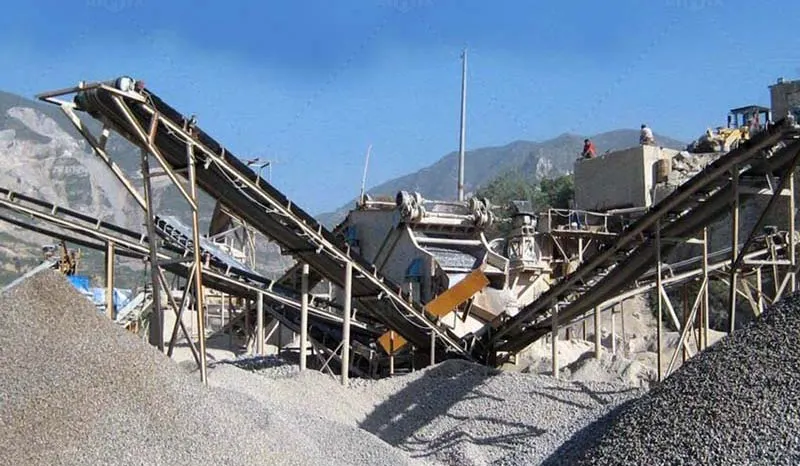
Limestone, particularly in the form of concrete rubble, presents a critical leverage point for disrupting this cycle. Its chemical composition and physical properties make it an ideal candidate for recycling. By recapturing this material, the industry can directly reduce the demand for virgin quarrying, thereby conserving natural landscapes and slashing the associated carbon footprint. Furthermore, it transforms a cost center—waste disposal—into a potential revenue stream, creating a powerful economic incentive for change. The imperative is clear: the systemic valorization of limestone waste is a cornerstone for constructing a genuinely circular economy in building materials.
Technical Pathways for Limestone Recycling and Upcycling
The recycling of limestone from CDW through impact crusher for sale begins with advanced sorting and processing. Modern facilities employ a sequence of mechanical and automated processes, including crushing, screening, and air separation, to isolate clean limestone and concrete aggregates from mixed debris. Contaminants such as wood, plastics, and metals must be meticulously removed to ensure the quality of the recycled product. The resulting crushed concrete aggregate (RCA) has well-established applications as a substitute for virgin aggregate in road sub-bases, backfill, and, with careful processing, in new, non-structural concrete mixes.
However, true circularity often necessitates upcycling—creating products of equal or higher value. Innovative research is exploring more sophisticated pathways. One promising avenue is the calcination of crushed concrete fines to recover the lime, which can then be used as a binder in new cementitious materials. Another involves using finely ground limestone waste as a filler or supplementary cementitious material, reducing the clinker factor in cement production, which is a major source of CO2 emissions. These advanced applications move beyond simple downcycling and begin to close the material loop at a higher level of efficiency and value creation.
Systemic Barriers and Enablers for Widespread Adoption
Despite the clear technical potential, the widespread adoption of limestone recycling faces significant systemic barriers. Logistically, establishing efficient collection and transportation networks for CDW is complex and costly. A persistent regulatory hurdle is the classification of recycled materials as "waste," which can subject them to onerous handling regulations and create liability concerns for specifiers. Perhaps the most formidable barrier is market perception; a lingering skepticism about the quality and performance of recycled materials often limits their specification in structural applications.
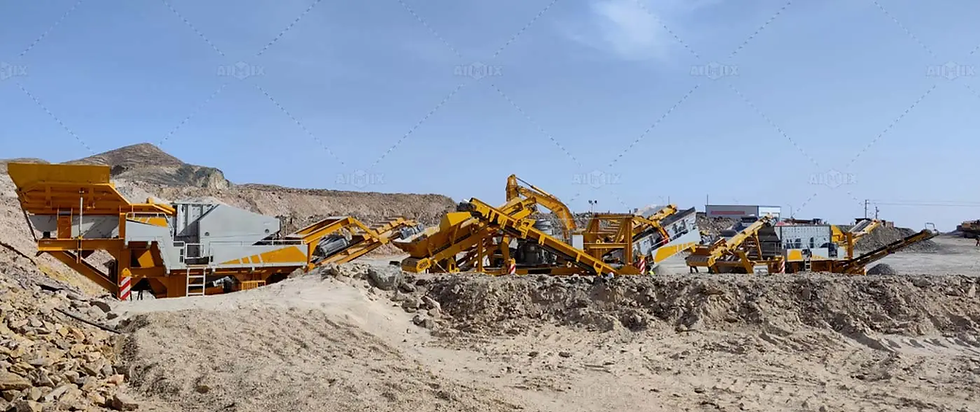
Overcoming these hurdles requires a concerted effort involving policy, economics, and education. Governments can act as powerful enablers by implementing green public procurement policies that mandate or incentivize the use of recycled content in public projects. Creating end-of-waste criteria for high-quality recycled aggregates from track crusher processing would provide legal certainty and boost market confidence. Furthermore, economic instruments like landfill taxes or virgin material extraction taxes can level the playing field, making recycled materials more cost-competitive. Ultimately, the construction of a circular building materials system is not solely a technical challenge but a socio-economic one, demanding a coordinated shift in regulations, market structures, and industry mindset to realize the full potential of every ton of limestone currently destined for the landfill.


Comments